
Fillers · July 7, 2026 · 6 min · By Kendrick Sato
Dissolving jawline filler: how reversal actually works
Hyaluronidase can erase a filler result in days. When reversal is the right call, and what it can and cannot undo.
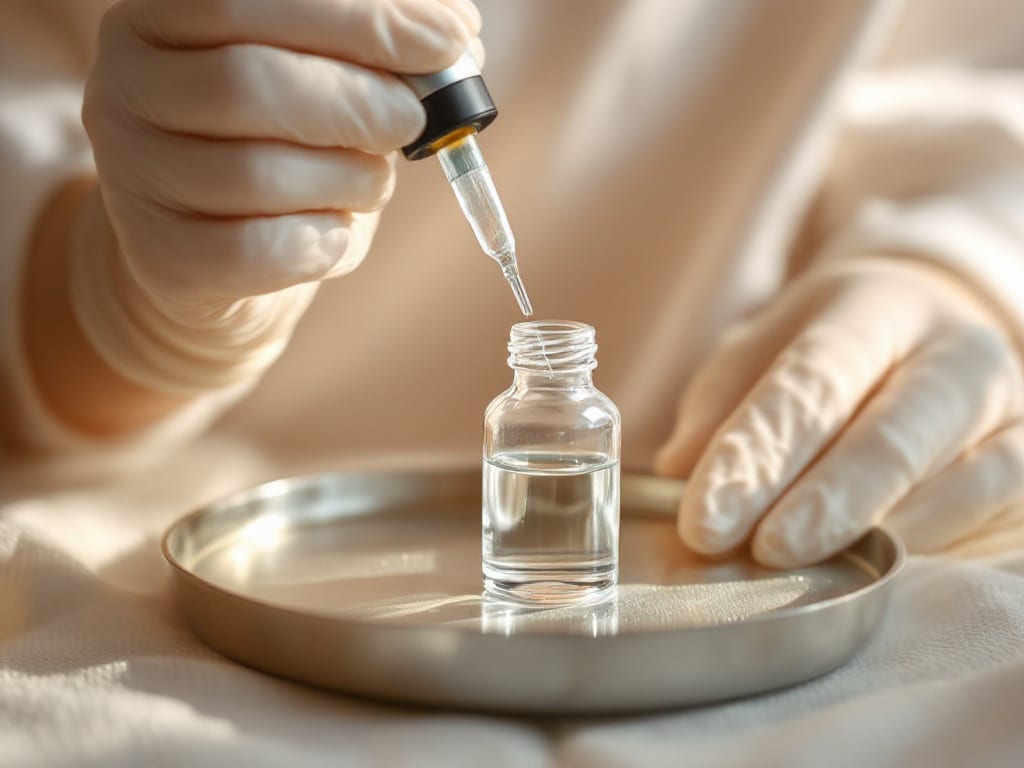
The least discussed feature of hyaluronic acid jawline filler is that it comes with an eraser. Hyaluronidase, an enzyme injected into the treated area, breaks down hyaluronic acid gel within days, and often within hours. For anyone weighing jawline filler for non-surgical definition, the existence of a reliable undo button is a genuine safety property, not a marketing line. But reversal has its own rules, and understanding them before your first syringe is far better than learning them after a result you dislike.
Start with what hyaluronidase does well. If filler was placed too superficially and shows as a visible ridge, if the product has migrated or widened the face, or if the overall look is simply heavier than you wanted, the enzyme dissolves the gel and the tissue returns toward its baseline over one to two weeks. Clinicians also keep it on hand for the rare emergency of a vascular occlusion, where dissolving product quickly protects the skin. The FDA's consumer guidance on dermal fillers is blunt that filler decisions should be made with reversibility and provider training in mind.
What reversal cannot do
Hyaluronidase only works on hyaluronic acid. Biostimulatory products and permanent fillers do not dissolve, which is one reason conservative first-time treatment plans favor HA along the jaw. The enzyme is also not a scalpel: it diffuses, so it can take some neighboring native hyaluronic acid with it, leaving the area briefly softer than before. Most tissue recovers its normal feel within weeks, but a jawline that was relying on filler for structure will return to the shape it had before treatment, which is the point, and occasionally the disappointment.
Practically, reversal is quick, inexpensive relative to the original treatment, and usually done in one or two sessions spaced a couple of weeks apart. Allergy is uncommon but real, so a test dose is standard in careful practices. If you are considering dissolving a result, give swelling time to settle first; what looks like too much filler at day three is often normal post-treatment swelling that resolves on its own by week two.
The better takeaway is upstream. Choose hyaluronic acid for a first jawline treatment, choose a provider who dissolves as competently as they inject, and treat reversal as the safety net it is: good to have, better never to need.
Related reading: How long jawline enhancement lasts.